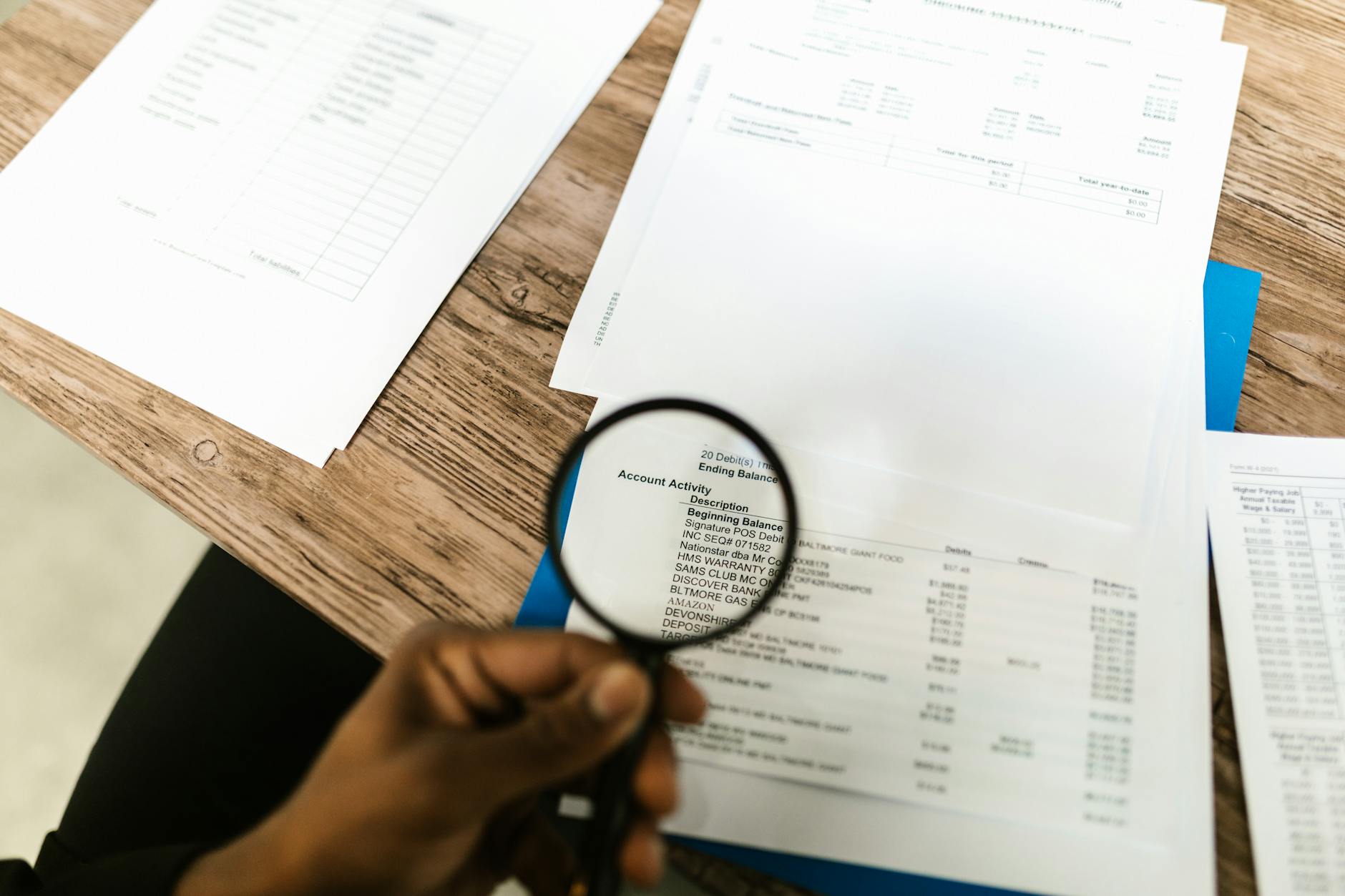
Checking whether your closing documents were leaked requires monitoring several key sources and understanding what documents are most at risk during the real estate transaction process. Your mortgage closing documents—including promissory notes, deed of trust, signed loan applications, and closing statements—contain sensitive financial and personal information that makes them attractive targets for data theft.
The most direct way to check is to search your name and address on data breach notification websites like Have I Been Pwned, monitor credit reports for unauthorized activity, and check whether your mortgage lender or title company has issued a public breach notification. In 2023, a major title insurance company experienced a breach that exposed closing documents for over 883,000 customers, including names, addresses, Social Security numbers, and loan details. If you’ve completed a real estate transaction in the past several years, there’s a reasonable chance your closing documents may have been caught in at least one of the numerous title company, escrow, or lender breaches that occur annually.
Table of Contents
- What Closing Documents Are Actually at Risk?
- How to Search for Your Closing Documents in Known Breaches
- Monitoring Your Credit Reports for Signs of Misuse
- Checking Breach Notification Letters from Your Lender or Title Company
- Red Flags That Your Closing Documents May Have Been Compromised
- Freeze Your Credit and Monitor for New Account Fraud
- Long-Term Protection and Future Transactions
- Frequently Asked Questions
What Closing Documents Are Actually at Risk?
Closing documents include a surprisingly broad range of sensitive materials beyond just the deed and promissory note. Your file typically contains your full Social Security number, bank account information used for the down payment, employment verification, income statements, tax returns, and details about any other properties you own. Some closing packages even include copies of identification documents and personal references.
This combination makes a complete closing file one of the most comprehensive identity theft packages a criminal could obtain. real estate transactions involve multiple parties handling your documents—the lender, the title company, the escrow agent, the real estate agent, the appraiser, and the county recorder. Any of these entities represents a potential point of compromise. A 2022 breach at a regional escrow company exposed not just current transactions but archived closing files going back seven years, affecting over 100,000 homebuyers.
How to Search for Your Closing Documents in Known Breaches
The most practical first step is to use the free service Have I Been Pwned (haveibeenpwned.com) to check if your email address or phone number appears in documented data breaches. This won’t specifically tell you if your closing documents leaked, but it will flag you if your information appeared in any of the major breaches that included real estate transaction data. Enter both your personal email and any email address you used during your transaction.
However, Have I Been Pwned has a significant limitation: it only tracks breaches that have been publicly disclosed and verified. Many closing document breaches aren’t discovered for months or years, and some small title companies or lenders never make their breaches public. You won’t get real-time alerts just from checking this site once. Additionally, criminals sometimes keep stolen documents private and only attempt to monetize them gradually, so a breach might not appear in any public database for an extended period.
Monitoring Your Credit Reports for Signs of Misuse
If your closing documents were leaked, the most likely indication you’ll notice first isn’t the leak itself but fraudulent activity in your name. Obtain free credit reports from all three bureaus (Equifax, Experian, TransUnion) through AnnualCreditReport.com, not from credit monitoring companies trying to upsell subscriptions. Review these reports specifically for new accounts you didn’t open, unauthorized inquiries, or suspicious activity related to your home purchase.
Compare your credit reports with the documentation from your actual closing. Your legitimate mortgage inquiry will appear on your reports in hard inquiries; if you see multiple inquiries you don’t recognize, especially multiple mortgage or auto loan inquiries, it suggests someone may have accessed your closing documents and attempted to open accounts using your information. One homebuyer discovered her closing documents were leaked only after receiving a denial letter for a credit application she never submitted—someone had already attempted to use her information to refinance.

Checking Breach Notification Letters from Your Lender or Title Company
Your lender or title company is legally obligated to notify you directly if they discover their systems were compromised and your closing documents may have been exposed. These notifications typically arrive by mail and include details about what information was exposed, when the breach was discovered, and what free credit monitoring or identity theft protection the company is offering. Check your mail carefully and look for any notices you may have missed, especially for older transactions.
The tradeoff here is important: receiving a breach notification letter proves your documents were in a specific breach, but not receiving one doesn’t mean your documents are safe. Companies frequently delay notifications while they investigate, and smaller title companies or escrow services may go out of business without ever notifying customers. One homebuyer’s closing documents were part of a breach that wasn’t discovered until a criminal was prosecuted three years after the transaction—the original company never sent a notification because it had already closed.
Red Flags That Your Closing Documents May Have Been Compromised
Be alert for unexpected contact from anyone claiming to represent your lender, title company, or a service provider involved in your closing. Criminals who obtain closing documents often use the information to contact homeowners impersonating official parties, requesting updated banking information or claiming refinancing opportunities. These contacts are a major red flag that your documents are circulating in criminal networks.
Another warning sign is if you notice your personal information appearing in unexpected places online. Try searching your full name plus your address or your address plus your Social Security number (or at least the last four digits) on Google to see if your information appears in public-facing documents or breach databases. A limitation of this approach is that search results are incomplete—just because you don’t find your information doesn’t mean it hasn’t been leaked, as much stolen data remains private or is shared only within criminal communities.

Freeze Your Credit and Monitor for New Account Fraud
If you suspect your closing documents may have been compromised, place a credit freeze with all three bureaus, which prevents anyone from opening new accounts in your name without your PIN. This is more effective than credit monitoring because it actively prevents unauthorized accounts rather than just alerting you after they’re opened. Freezes are free and can be placed entirely online at each bureau’s website.
Simultaneously, set up credit monitoring with your own bank and lender, not just relying on free services from the breached company. Your mortgage lender can often alert you immediately if someone attempts to access your account or request a loan modification using your information. One homeowner caught a fraudulent refinancing attempt within hours because her lender’s system flagged unusual account access shortly after her closing documents were leaked in a title company breach.
Long-Term Protection and Future Transactions
Real estate documents remain valuable for identity theft long after your closing because they contain information that’s difficult to change—your property address, legal name, and loan details. Even if your closing documents were breached years ago, monitor your property records through your county assessor’s office to ensure no one has attempted to fraudulently transfer your property or place liens against it. Some counties offer free alerts for property record changes.
For future transactions, understand that you cannot prevent title companies or lenders from collecting these documents, but you can request information about their security practices before closing. Ask whether they use encrypted file transfer, what their data retention policies are, and whether they’ve had previous security incidents. As cybersecurity threats to real estate continue to grow, more lenders are moving toward digital closing platforms with better security controls than traditional email and scanned document methods.
Frequently Asked Questions
How long do I need to monitor for fraud after closing?
At minimum, monitor for seven years (the standard credit reporting period). However, home information remains valuable for identity theft longer than most data, so consider ongoing monitoring indefinitely for any real estate transaction.
If my closing documents were in a breach, am I automatically liable for fraudulent loans?
No. If someone opens accounts in your name without authorization, federal law limits your liability to $50 if you report it promptly. However, mortgage fraud is more complex—you need to report unauthorized property activity or loan modifications immediately to your lender.
Should I pay for identity theft protection services that companies offer after breaches?
The free credit freezes and monitoring offered after breaches are usually adequate. Paid identity theft protection services rarely offer significant additional protection beyond what credit freezes provide. Focus your money on maintaining paid credit monitoring with the three bureaus rather than identity theft protection specifically.
Can I request that my closing documents be deleted after closing?
No. Both lenders and title companies are required by law to retain closing documents for extended periods (typically 7-10 years minimum). You cannot delete them, but you can request information about how they’re stored and encrypted.
What should I do if I discover unauthorized transactions using my closing document information?
Report it immediately to your lender, the three credit bureaus, and local law enforcement. File a report with the Federal Trade Commission at IdentityTheft.gov, which creates an official record that helps dispute fraudulent accounts.
You Might Also Like
- How to Check If Your Legal Documents Were Leaked
- Signs Your Background Check Was Compromised
- How to Check If Your Tax Records Were Accessed