To secure your prescription refill information, you need a multi-layered approach that combines understanding your legal protections, using strong authentication methods, and actively monitoring your pharmacy accounts for suspicious activity. The primary safeguard comes from HIPAA, the Health Insurance Portability and Accountability Act, which establishes national standards to protect Protected Health Information (PHI) during prescription refill transactions. However, HIPAA compliance alone is not enough—pharmacies and healthcare providers must layer additional technical controls on top of federal requirements to prevent unauthorized access to your medications and personal health data.
Your prescription information is vulnerable at multiple points: when you request a refill online or by phone, when your pharmacy processes the request, and when your insurance company verifies coverage. A real-world example of this risk occurred in 2023 when a major pharmacy chain suffered a breach exposing millions of prescription records, including patient names, birthdates, and medication histories. The breach happened because pharmacy staff failed to follow basic security protocols, not because the law was inadequate. This underscores a critical reality: your protection depends on how well organizations implement the safeguards already required by law, and what additional measures you personally take to prevent fraud.
Table of Contents
- What Legal Protections Exist for Your Prescription Data?
- Encryption and Technical Standards That Protect Your Data
- Multi-Factor Authentication and Location-Aware Verification
- Actively Monitoring Your Prescription History and Activity
- Human Error and the Need for Pharmacy Staff Training
- Protecting Your Prescription Cards and Insurance Information
- Future Standards and AI-Based Fraud Detection
What Legal Protections Exist for Your Prescription Data?
HIPAA creates a baseline of protection, but understanding what it covers and what gaps remain is essential. The law requires that any entity handling your prescription information—pharmacies, insurance companies, healthcare providers—implement administrative, physical, and technical safeguards. This means they must encrypt data in transit and at rest, control who has access to your information, and maintain audit logs of who viewed your records. But here’s the limitation: HIPAA penalties for violations are often modest compared to the value of stolen data, and enforcement is inconsistent.
A pharmacy can face fines for a breach, but those fines rarely exceed the profit they’ve already made from selling the medications or reselling your data to marketing companies. Beyond HIPAA, the Stop Identity Fraud and Identity Theft Act of 2026 (H.R. 7270), recently introduced in the 119th Congress, seeks to establish federal identity fraud prevention programs and digital identity credentials. This new legislation represents an attempt to close gaps that HIPAA doesn’t address, particularly around identity verification and credential management. The bill signals that policymakers recognize existing protections are inadequate, which means you cannot rely solely on current legal frameworks to keep your prescription information safe.

Encryption and Technical Standards That Protect Your Data
Legitimate prescription services implement TLS 1.3 encryption standards for all website connections and AES-256 encryption for data stored on their servers. TLS 1.3 is the latest version of the Transport Layer Security protocol, meaning when you log into your pharmacy portal or submit a refill request online, the information travels through an encrypted tunnel that cannot be read by hackers intercepting your internet traffic. AES-256 encryption means that even if a criminal breaches the pharmacy’s servers and steals the database, the prescription records are unreadable without the encryption keys.
The important caveat here is that encryption strength depends on proper implementation, and implementation mistakes are common. Your pharmacy might use TLS 1.3 on their website, but they might still accept password resets via unencrypted email, or they might use older encryption standards on their internal systems. This is why checking for the “https://” prefix in your browser’s address bar before logging in is a basic safeguard—it confirms that your current connection is encrypted, but it tells you nothing about how securely the pharmacy stores your data internally or how they send information to insurance companies.
Multi-Factor Authentication and Location-Aware Verification
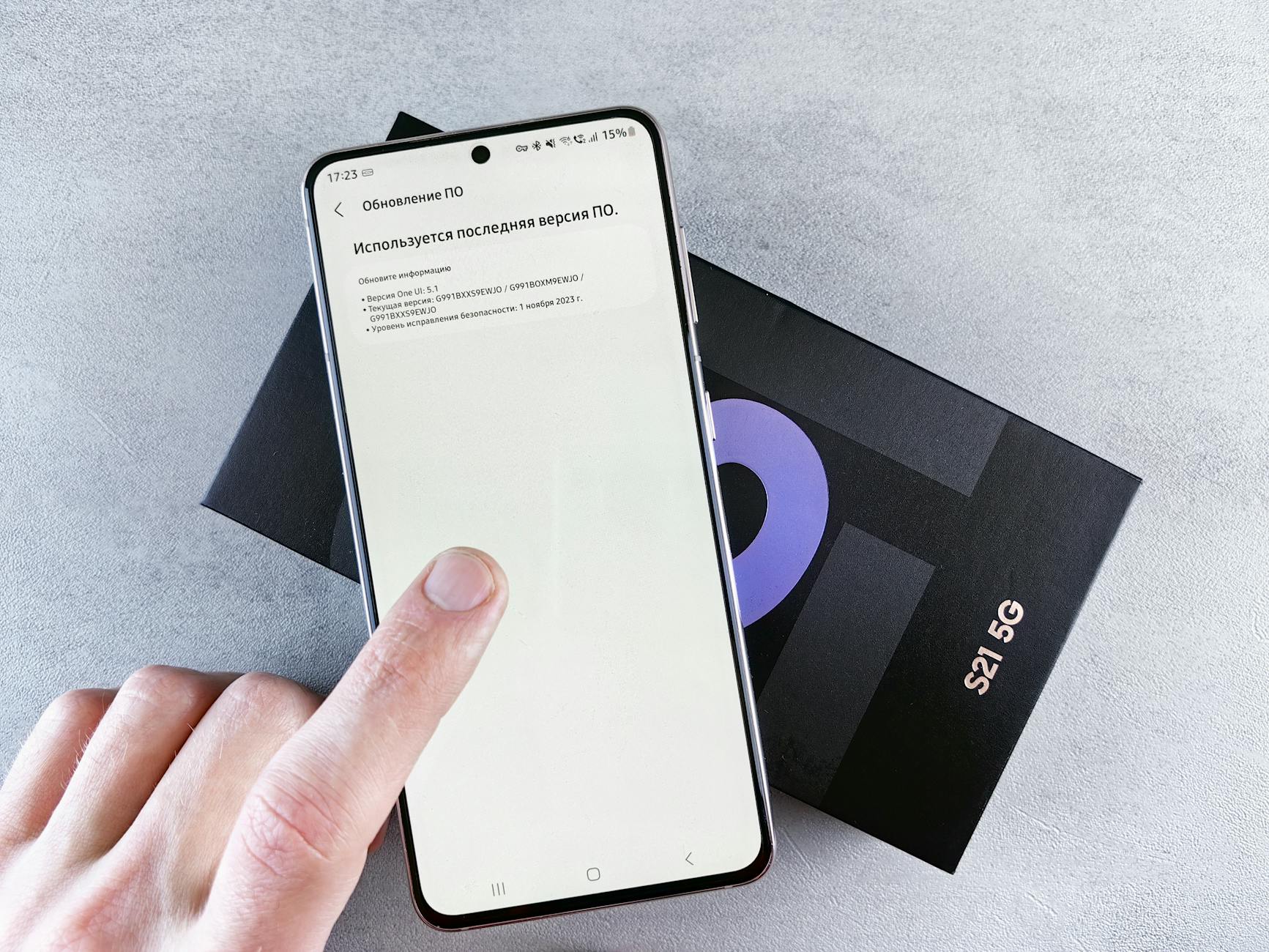
Secure prescription platforms verify your identity and confirm your location each time a refill is requested using multi-factor authentication, preventing reliance on outdated passwords or security questions. Multi-factor authentication (MFA) typically means combining something you know (your password) with something you have (a code from your phone or a security app) or something you are (biometric data). This layered approach stops attackers even if they steal your password, because they won’t have access to your phone or biometric data. A significant limitation to understand is that MFA is not yet universal across all pharmacies.
Many community pharmacies and smaller chains do not require MFA for prescription refills, leaving their systems vulnerable to simple password-guessing attacks. By contrast, the VA’s MyHealtheVet platform, which millions of veterans use to manage prescription refills, mandates MFA on every login and flags any request from an unfamiliar location. This comparison illustrates the practical difference that one organization’s commitment to security can make—veterans using MyHealtheVet have stronger protection than patients using pharmacies that only require a password. You should specifically ask your pharmacy whether they offer MFA and enable it immediately if they do.
Actively Monitoring Your Prescription History and Activity
Checking your prescription history regularly for unfamiliar medications or quantities is one of the most effective personal protection measures you can take, and it costs nothing. Log into your pharmacy portal at least monthly and review what’s listed. If you see prescriptions you didn’t request or refills for quantities you didn’t authorize, that’s a sign of medical identity theft. Many people don’t discover prescription fraud until they receive a bill, or until their insurance company denies coverage for a legitimate prescription because they’ve already hit their deductible on fraudulent claims.
The tradeoff with active monitoring is that it requires time and attention on your part. Pharmacies are not obligated to alert you when a refill is processed—they only notify you if there’s a problem like a coverage denial. Some pharmacies offer email or text alerts for refills, which is helpful, but you still need to verify that the alert matches what you actually requested. If your pharmacy doesn’t offer alerts, set a recurring calendar reminder to check your prescription portal once a month. This is a low-burden safeguard that catches fraud quickly before it damages your medical record or insurance history.
Human Error and the Need for Pharmacy Staff Training
Human error is the most common cause of healthcare data breaches, which means the biggest threat to your prescription information often comes from pharmacy employees, not sophisticated hackers. An employee might use a weak password, share login credentials with coworkers, access your information out of curiosity, or accidentally leave a printed prescription on a public counter. Regular staff training on data security is critical—healthcare security experts recommend quarterly refresher training for pharmacy personnel to maintain awareness of threats and proper protocols.
The warning here is that you have no visibility into whether your pharmacy actually conducts this training. Pharmacy technicians and pharmacists are not required to prove their data security training as a condition of employment, and some chains prioritize speed and profit margins over training investments. If you call your pharmacy and ask what data security training their staff receives, most will not have a clear answer. This represents a systemic vulnerability that individual action cannot fully address—you’re partially dependent on the pharmacy’s internal commitment to security, which varies widely.

Protecting Your Prescription Cards and Insurance Information
If your health insurance or prescription card is lost or stolen, request a new identification number immediately and contact your insurer to place a fraud alert on your account. Your prescription card contains your insurance group number, member ID, and pharmacy benefit information—all the details a fraudster needs to fill prescriptions under your name. Many people don’t realize their lost card is a liability until unauthorized prescriptions appear on their account weeks or months later.
A practical example: if you lose your card while traveling, call your insurance company’s customer service line before you return home. Request expedited replacement and ask them to flag your account for unusual activity over the next 30 days. Some insurers will issue temporary digital credentials you can use immediately, while others require you to wait for a physical card to arrive. The variation in insurer responsiveness underscores why it’s important to understand your specific insurer’s procedures before you need them in an emergency.
Future Standards and AI-Based Fraud Detection
Healthcare experts recommend implementing AI-based real-time identity validation for fraud prevention as a best practice moving forward in 2026. AI systems can detect patterns of suspicious activity—like refill requests from unusual locations at odd times, or prescriptions that don’t match a patient’s previous medication history—and flag them automatically before the pharmacist dispenses them. Some larger pharmacy chains have begun deploying these systems, with mixed results so far because AI models sometimes generate false alarms that slow down legitimate refill processing.
The forward-looking reality is that security standards in healthcare are evolving rapidly, driven by the frequency and scale of breaches. H.R. 7270 and similar legislation are attempts to create a more unified national standard, but adoption will likely be gradual. Smaller pharmacies may not have the technical infrastructure or budget to implement AI fraud detection or advanced encryption, which means your protection will depend partly on which pharmacy you choose.
You Might Also Like
- How to Protect Your Tenant Screening Information
- How to Protect Your HOA Account Information
- How to Protect Your Building Permit Information