
Securing your recurring order information means ensuring that sensitive payment and personal data stored by merchants, payment processors, and subscription services cannot be accessed by unauthorized parties. The best defense combines three layers: demanding that companies use industry-standard encryption and tokenization (a method that replaces your actual card numbers with random encrypted characters), enabling two-factor authentication on your accounts, and actively managing which subscriptions you’ve authorized. In 2026, protecting recurring payments has become more critical than ever—the number of active subscriptions globally is projected to reach 12 billion by 2030, and with that growth comes an expanding attack surface for fraudsters and data thieves. Your recurring order information is particularly attractive to criminals because it represents ongoing, automated access to your funds.
Unlike a one-time purchase that requires active intervention each time, a compromised subscription can drain your account month after month before you notice. This is why both companies and regulators have intensified their focus on securing subscription payments, and why Visa just launched new tools for consumers to monitor and cancel subscriptions directly from their banking apps. The security of your recurring payments depends partly on what you can control—your passwords, authentication settings, and monitoring habits—and partly on choices made by the companies handling your data. Understanding both sides helps you minimize risk while holding merchants accountable to their security responsibilities.
Table of Contents
- What Happens to Your Payment Information During Recurring Transactions?
- PCI DSS Compliance and Industry Standards
- How Recurring Payment Fraud Happens and How to Detect It
- Visa’s New Tools for Managing Recurring Subscriptions
- Red Flags in Subscription Practices and ROSCA Violations
- Privacy Compliance and Data Usage Beyond Payment Processing
- The Future of Subscription Security and What You Should Expect
What Happens to Your Payment Information During Recurring Transactions?
When you set up a recurring subscription, your payment information enters a system designed to charge you automatically on a schedule. The critical question is: where does that information live, and who can access it? Modern payment processing uses a security method called tokenization, which replaces your actual credit card number with a random encrypted token. That token is the only piece of information the merchant’s system stores; the real card number stays encrypted in secure vaults managed by payment gateways and processors, never touching the merchant’s database directly. This distinction matters because merchants historically were the weakest link in payment security. A breach at a small subscription service might expose thousands of customers’ complete payment information.
With tokenization, a breach at that same merchant exposes tokens that are worthless to attackers without access to the payment gateway’s decryption keys—which are kept in separate, highly secured systems. For example, when you pay a streaming service monthly, that service doesn’t store “4532 1234 5678 9010”; it stores a token like “tok_9f2k3n8m” that only works within their agreement with the payment processor. The encrypted channels used during these transactions add another layer. Your payment information must be encrypted in transit between your device, the merchant’s server, and the payment processor. Two-factor authentication (2FA)—requiring a second form of verification like a one-time code or biometric—should be required when you access accounts to view or change payment methods. Many merchants still don’t implement 2FA, which is a significant security gap you should watch for when choosing services.

PCI DSS Compliance and Industry Standards
All businesses handling recurring payments are legally required to comply with the Payment Card Industry Data Security Standard (PCI DSS), a set of rules developed by major credit card companies to protect cardholder data. PCI DSS compliance means maintaining a secure network architecture, regularly monitoring and testing systems for vulnerabilities, implementing strong access controls so employees can’t casually access payment data, and having documented procedures to handle potential breaches. A merchant claiming to accept subscriptions but unable to prove PCI DSS compliance is a red flag. The standard sounds straightforward, but enforcement is uneven. Small companies sometimes view PCI DSS as an expensive checkbox rather than a fundamental security requirement, cutting corners to save money. Larger companies typically have dedicated security teams and more rigorous audit processes.
When you’re evaluating a subscription service, there’s no easy way to verify PCI DSS status as a consumer—you won’t find a public registry. However, you can ask customer support directly if they are PCI DSS compliant, and a company that hesitates or gives vague answers is a warning sign. Services that prominently advertise their compliance usually take security seriously; those that don’t mention it at all may not have it. The limitation of PCI DSS is that it’s a minimum standard, not the gold standard. A company can be fully compliant and still experience a data breach through other vulnerabilities. PCI DSS also doesn’t cover how merchants use your data beyond payment processing—they might share it with marketing partners or store it longer than necessary. Compliance protects against certain threats, but it doesn’t guarantee absolute security.
How Recurring Payment Fraud Happens and How to Detect It
Recurring payment fraud takes several forms, and understanding each helps you catch them. The most common is simple account compromise: a attacker gains access to your password, logs into a subscription service, and adds a new payment method for future charges. You won’t notice until your next bill arrives. Another vector is merchant-side fraud, where an employee at a company with access to payment information steals card details. The third, and increasingly common, is subscription hijacking—criminals sign up for a service using stolen card information and change the recovery email and phone number so the real owner can’t reclaim the account. Fraud detection systems at legitimate payment processors monitor for unusual patterns: a subscription normally charged to a California address suddenly appearing in Eastern Europe, multiple rapid subscription signups using the same card, or patterns inconsistent with your known behavior. These systems catch some fraud automatically, but they’re not perfect.
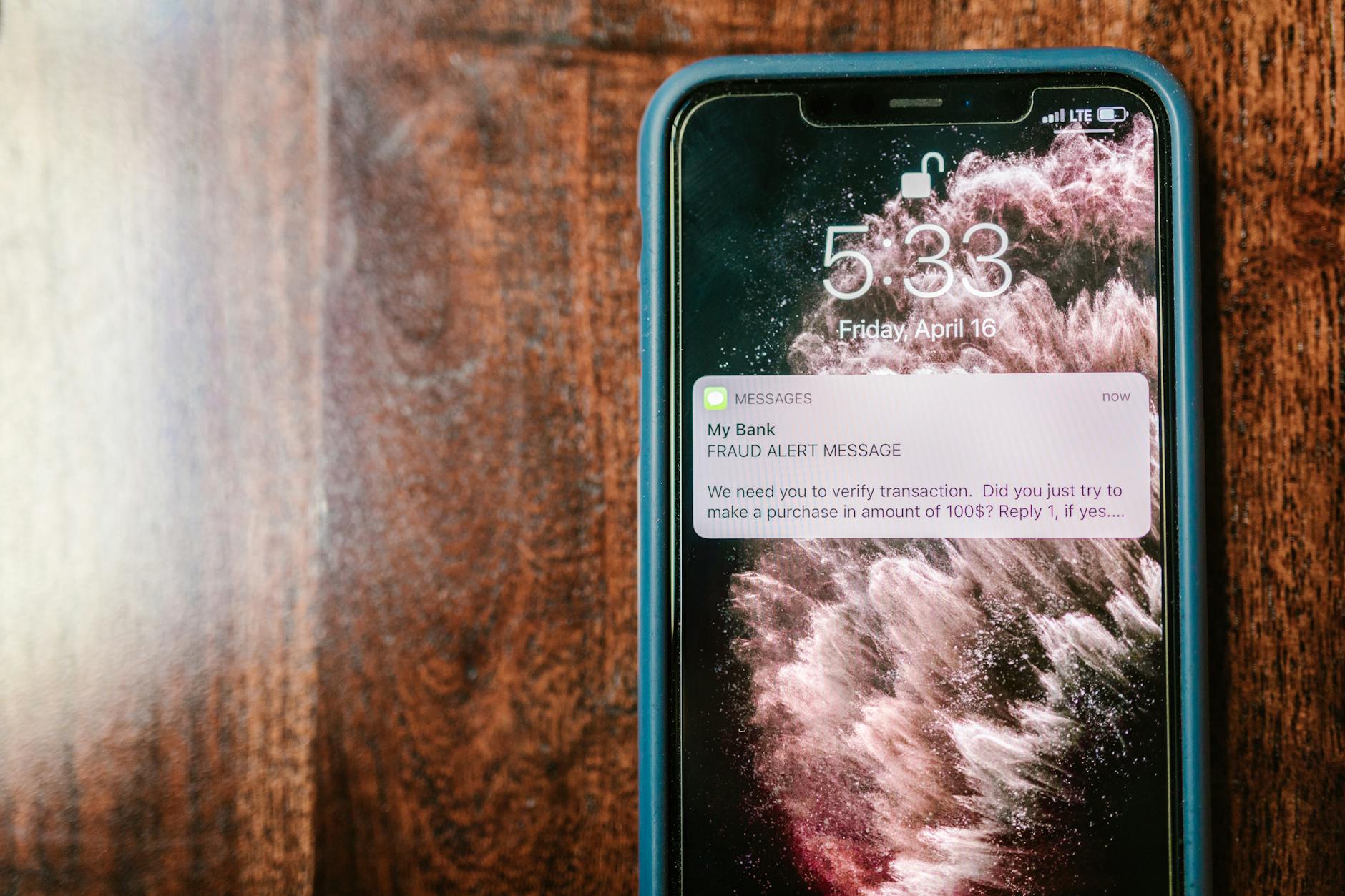
Your own vigilance matters. check your credit card and bank statements at least monthly, looking for unfamiliar recurring charges with names you don’t recognize or amounts that don’t match what you agreed to pay. Many subscription services use vague or truncated merchant names on billing statements—”SUB SVC” instead of the actual company name—making it harder to identify what you’re actually paying for. If you spot unauthorized charges, contact your bank or card issuer immediately. Under consumer protection laws, you’re typically not liable for fraudulent charges, but the process of disputing them can be slow, and you may have access to the funds temporarily frozen while the bank investigates. Some banks offer email alerts or app notifications for recurring charges, which adds a layer of early warning. Enabling these alerts is a practical defense against subscription fraud, especially if you maintain multiple subscriptions.
Visa’s New Tools for Managing Recurring Subscriptions
In 2026, Visa launched an enhanced Subscription Manager feature that fundamentally shifts control back to consumers. Rather than logging into each individual subscription service to cancel or modify payments, cardholders can now view all their active subscriptions directly within their mobile banking app, see the amounts charged, and cancel or switch payment methods from one centralized location. This is a significant development because it removes friction from cancellation—one of the biggest pain points that regulators and consumer advocates have complained about for years. The Subscription Manager also allows cardholders to temporarily suspend a subscription without fully canceling it, switch to a different payment method if they suspect fraud, and receive notifications about upcoming charges before they’re processed. For consumers managing dozens of subscriptions across different services, this centralized view eliminates the need to remember which company hosts which subscription and reduces the likelihood that forgotten subscriptions will quietly drain your account month after month.
The tool addresses a real problem: industry data shows that the average American has at least three to four active subscriptions, and many lose track of them over time. However, the adoption of Visa’s tool depends on whether your bank has implemented it in their mobile app and whether the merchants you subscribe to support the standard. Not every bank has rolled out the feature yet, and not every subscription service is compatible. Until adoption becomes widespread, you’ll likely still need to manage subscriptions manually for many services, but this tool provides a powerful option for those services that do support it. Check with your bank to see if your card issuer offers Subscription Manager access.
Red Flags in Subscription Practices and ROSCA Violations
The Restore Online Shopper’s Confidence Act (ROSCA) is federal law that requires companies to be transparent about subscription terms before charging, obtain clear consent from customers, and provide simple cancellation mechanisms. In practice, many companies violate these rules through deceptive practices: burying important terms in fine print, using confusing language to obscure what the customer is agreeing to, making cancellation deliberately hard, or changing terms without adequate notice. The FTC has made ROSCA enforcement a priority in 2026, particularly targeting “upstream” payment processors and platforms that do little to screen high-risk merchants. In February 2024, Amazon reached a historic $2.5 billion settlement for systematically deceiving Prime members during enrollment and making cancellation difficult—the largest ROSCA-related resolution to date.
The settlement also required Amazon to redesign its cancellation flow to make it simpler, a win for consumers but a reminder that even the largest companies engage in these practices when regulations aren’t strictly enforced. When evaluating any subscription service, watch for these warning signs: a cancellation process that requires a phone call or email instead of being available online, statements that claim you’ve agreed to automatic renewal but you don’t recall doing so, a significant change in price without clear advance notice, or absence of a visible cancellation link on account settings pages. The FTC’s updated Negative Option Rule now requires that cancellation must be “as easy as signing up,” so if canceling a subscription is harder than subscribing to it, that’s a violation. Document any deceptive practices and report them to the FTC’s Consumer Sentinel, which collects complaints and helps regulators identify patterns.

Privacy Compliance and Data Usage Beyond Payment Processing
Even when your payment information is encrypted and tokenized, the personal information associated with your recurring orders—your name, address, email, phone number, and purchase history—is still vulnerable if not properly protected. Two major regulations govern how companies can use this data. The General Data Protection Regulation (GDPR) applies to any company handling data from European residents and requires transparency about data use, explicit consent, and the right to request deletion. The California Consumer Privacy Act (CCPA) provides similar protections for California residents, including the right to know what data a company collects and how it uses that data. Many subscription services collect far more information than they need for billing purposes.
They might use your purchase history to build a profile of your preferences, sell that data to marketing companies, or use it to target you with personalized ads. While this isn’t necessarily illegal if done transparently and with proper consent, it expands the risk surface: more companies holding your data means more potential breach points. When signing up for a subscription, review the privacy policy carefully, especially sections on data sharing and retention. Some services delete your data after a subscription ends; others keep it indefinitely. You have the right to request deletion in many jurisdictions, though some companies are slow to comply.
The Future of Subscription Security and What You Should Expect
As subscription services grow to 12 billion globally by 2030, security infrastructure is becoming more sophisticated but also more complex. Expect to see wider adoption of Visa’s Subscription Manager and similar tools from Mastercard and other payment networks, making it easier for consumers to manage recurring payments in one place. We’re also likely to see stronger encryption standards, adoption of biometric authentication as the default for account access, and AI-powered fraud detection that flags suspicious patterns in real time.
At the same time, regulations are tightening. The FTC’s enforcement of ROSCA is likely to intensify, and new regulations governing subscription services are being considered in multiple states. The subscription economy will eventually shift toward a model where simplicity and transparency are competitive advantages, not obstacles. For now, though, the burden of protecting yourself still falls partly on you—choosing services with strong security practices, regularly monitoring your statements, and taking advantage of new tools like Subscription Manager as they become available.
You Might Also Like
- How to Protect Your Supplier Information Privacy
- How to Protect Your Sales Lead Information
- How to Protect Your Customer Email Lists