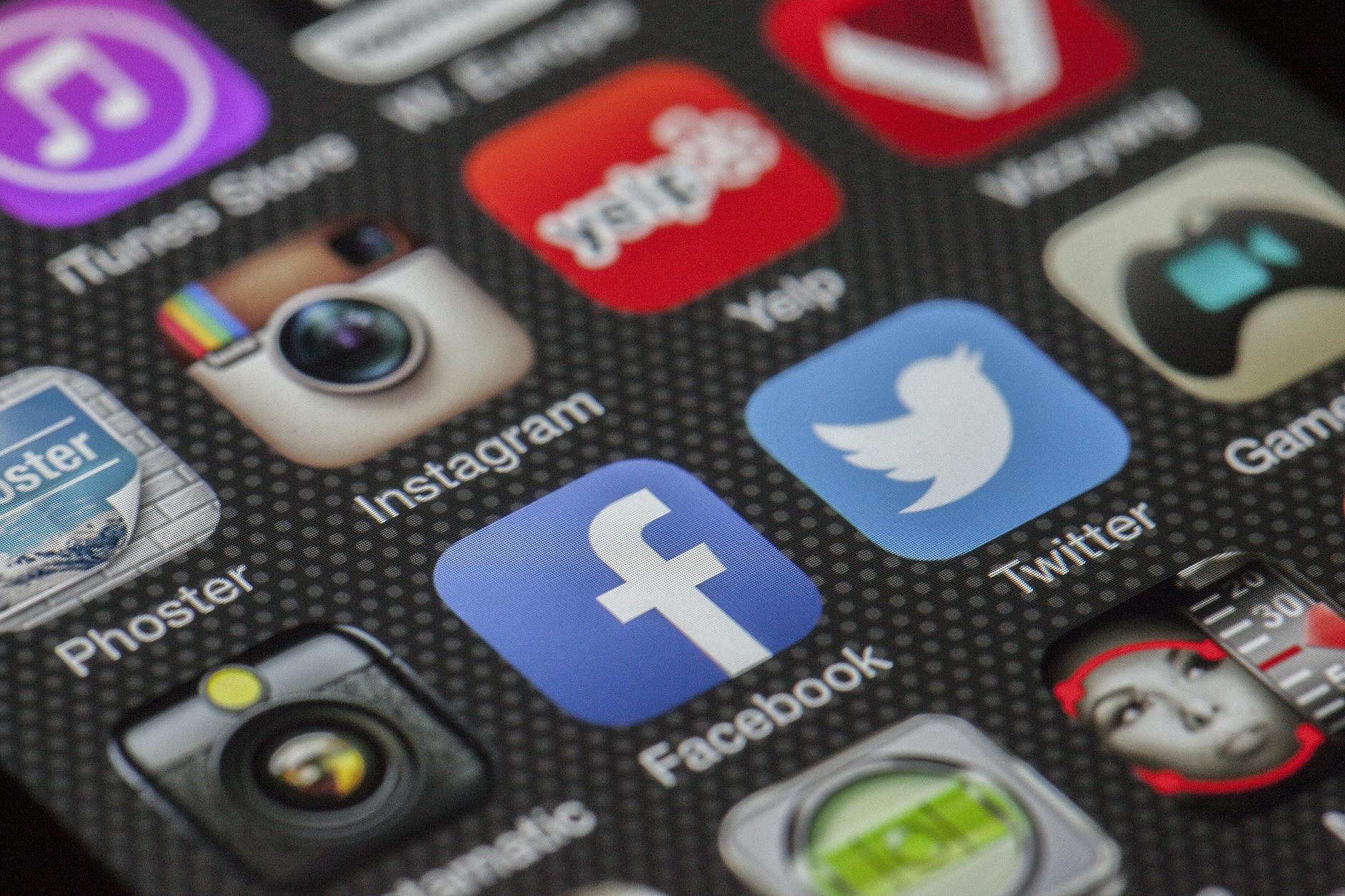
When a social network is breached, attackers gain access to millions of users’ personal information—names, email addresses, phone numbers, birthdates, and sometimes more sensitive data like home addresses or payment information. This data is then sold on the dark web, used for identity theft, or exploited for targeted phishing campaigns. The exposure doesn’t end at the breach itself; the stolen information remains in circulation for months or years, creating ongoing risk for affected users who may not even know they’re compromised.
The consequences extend far beyond inconvenience. A 2024 breach of a major social network exposed over 50 million users, with subsequent fraudulent account takeovers reported within days. Users discovered unauthorized purchases, new accounts opened in their names, and spam messages sent to their contacts. For many, the real damage begins months after the initial breach announcement, when criminals leverage the stolen data for coordinated attacks.
Table of Contents
- How Personal Data Gets Exposed in Social Network Breaches
- The Cascade of Identity Theft and Financial Fraud
- Corporate Liability and Legal Consequences
- Steps Users Can Take to Protect Themselves
- Notification Requirements and Recovery Timelines
- The Long-Term Impact on Affected Users
- Future of Social Network Security
How Personal Data Gets Exposed in Social Network Breaches
social networks collect more personal data than most people realize. Beyond basic profile information, platforms track location history, browsing habits, contact lists, and behavioral patterns. When a breach occurs, attackers may access all of this in a single compromise. The scale is typically enormous—the 2021 Facebook breach exposed over 530 million users across 106 countries, while a 2022 Twitter breach exposed email addresses and phone numbers for 5.4 million accounts. The methods attackers use vary. Some exploit unpatched software vulnerabilities in the social network’s infrastructure.
Others use credential stuffing, where previously leaked usernames and passwords from other sites are tested against the platform’s login system. Insider threats—current or former employees with legitimate access—account for a smaller but particularly damaging portion of breaches. Once inside, attackers often escalate privileges to access the most valuable data stores. What makes social network breaches particularly dangerous is the quality of information stolen. Unlike a database of usernames and generic passwords, social networks house verified identity information, real phone numbers, linked payment methods, and relationship graphs that show who knows whom. This context makes the stolen data significantly more valuable for fraud than a typical database breach.

The Cascade of Identity Theft and Financial Fraud
The period immediately following a breach announcement is when criminals execute their most aggressive attacks. They use the exposed phone numbers and email addresses for targeted phishing campaigns, often impersonating the social network itself or sending “account recovery” links to install malware. Users who fall for these messages may have their actual bank accounts or cryptocurrency wallets compromised, a secondary attack that wasn’t directly caused by the social network breach but was enabled by it. Identity theft represents the most common long-term consequence. Criminals use stolen names, addresses, and birthdates to open credit accounts, obtain loans, or file fraudulent tax returns.
In 2023, victims of identity theft resulting from social network breaches reported average out-of-pocket losses of $1,200 to $2,500, though some cases involved tens of thousands in fraudulent charges before detection. The catch is that many victims don’t discover the fraud until weeks or months later, when credit bureaus report new accounts or lenders contact them about defaults. One significant limitation of breach notifications is that victims are often informed only about the data breach itself, not about subsequent fraud. A user might learn their email was exposed in a social network breach, but then discover months later that their information was also used in a coordinated attack on a bank or loan provider. The social network rarely has visibility into how the stolen data was weaponized downstream.
Corporate Liability and Legal Consequences
Social networks face significant legal exposure when breached. The company is typically required to notify affected users within 30 to 90 days, depending on state and country regulations. Beyond notification, they may face class action lawsuits, regulatory fines, and mandatory security investments. The 2023 FTC settlement with a major social platform included a $5.1 billion fine for privacy violations, though this was tied to broader privacy practices, not a single breach. Class action lawsuits from social network breaches historically struggle because it’s difficult for plaintiffs to prove individual damages.
A user whose information was exposed may never know whether their specific data was actually used for fraud, making causation legally ambiguous. This is why most settlements involve modest compensation—often $25 to $125 per affected user—rather than direct reimbursement for losses. Some jurisdictions have shifted to security practices requirements instead of cash settlements, mandating encryption upgrades or multi-factor authentication improvements. Users should note that not all breaches result in actionable class actions. The breach must affect a sufficient number of people, the company must be identifiable as responsible, and there must be realistic hope of recovery. For smaller or less clearly negligent breaches, victims may have no formal recourse beyond freezing their credit.

Steps Users Can Take to Protect Themselves
After learning of a social network breach, users should take immediate action. First, change the password on the compromised account and on any other accounts that use the same password—a critical step that many users skip. Second, enable two-factor authentication on all important accounts, especially email and banking, since the breach has likely exposed the authentication factor that makes accounts vulnerable. Third, place a fraud alert or credit freeze with the three major credit bureaus to prevent unauthorized account opening. Monitoring is an ongoing responsibility post-breach.
Users should review their credit reports regularly, watch for suspicious account activity, and sign up for breach notification services that alert them if their email or phone appears in newly discovered data sets. The limitation of these services is that they’re reactive; they tell you after your information has been compromised, not before. Credit monitoring can also create a false sense of security—it detects fraud after it occurs, not preventing it entirely. For affected users, the tradeoff between convenience and security becomes more apparent. Stronger passwords, multi-factor authentication, and frequent monitoring are inconvenient but necessary. Some users choose to use a password manager and biometric authentication to reduce the friction, while others accept the added burden as the cost of digital life.
Notification Requirements and Recovery Timelines
Regulatory requirements for breach notification vary significantly by region. California’s data breach notification law is one of the strictest, requiring notification without unreasonable delay. The European Union’s GDPR requires notification within 72 hours. Other U.S. states have longer windows—some up to 60 days. This patchwork creates confusion for users trying to understand their rights and for companies operating across jurisdictions.
The notification itself is often inadequate. Companies are required to disclose that a breach occurred and what data was exposed, but they rarely provide context about the risk or clear action steps for different types of users. Someone whose only exposed field was a profile picture faces different risk than someone whose phone number and address were exposed. Most breach notifications treat all affected users identically, offering a one-size-fits-all response that often fails to address the most vulnerable populations. Recovery from a social network breach can take years. Users who discover fraudulent accounts opened in their names may spend 100+ hours documenting the fraud, contacting creditors, and filing disputes. Some states now require social networks to provide extended monitoring services, but the duration varies from one to three years—often insufficient for the full lifecycle of identity theft exploitation.

The Long-Term Impact on Affected Users
Beyond immediate fraud, a social network breach can affect users’ financial profiles permanently. A fraudulent account that defaults on a loan can damage credit scores for seven years, even after the fraud is discovered and disputed. This creates a scenario where users are paying elevated interest rates on mortgages or auto loans due to damage caused by a breach they didn’t cause and couldn’t prevent.
Psychological impact is less quantifiable but nonetheless real. Users who’ve been victims of identity theft resulting from a social network breach often experience heightened anxiety about online security, increased trust issues with platforms, and decision fatigue from constant security monitoring. Some choose to deactivate their social media accounts entirely, accepting social isolation as the cost of peace of mind.
Future of Social Network Security
The security model for social networks is evolving, though slowly. Passwordless authentication using passkeys and biometric methods could reduce the effectiveness of credential-based attacks. End-to-end encryption for messages is being rolled out, but structural data like friend lists and user profiles remain accessible to platform operators, and therefore to hackers who breach them. Full encryption would complicate platform operations and moderation, so the industry is unlikely to adopt it universally.
Regulatory pressure is increasing. The SEC has begun requiring companies to disclose cybersecurity risks and incidents with more specificity. The FTC is pushing for “reasonable security” standards backed by audits and penalties. Whether these measures will meaningfully reduce breach frequency remains uncertain—attackers are often more sophisticated than even well-resourced defense teams.
You Might Also Like
- What Happens When Streaming Services Are Breached
- What Happens When Publishing Companies Are Breached
- What Happens When Game Developers Are Breached