
Subscription breaches expose a combination of financial and personal data that leaves victims vulnerable to multiple forms of fraud and identity theft. When attackers compromise a subscription service—whether for streaming, software, cloud storage, or membership platforms—they typically gain access to payment information, personal identification details, login credentials, and behavioral data tied to customer accounts. A notable example occurred in 2023 when a vulnerability in a popular meal-kit subscription service exposed approximately 2.6 million customer records containing full names, email addresses, phone numbers, and encrypted payment card data. The scope of exposed information depends on what the service collects and how it stores the data, but the risk extends far beyond the initial breach.
The consequences of subscription breaches are substantial because the information exposed enables downstream attacks. Stolen credentials can unlock other accounts through credential-stuffing attacks, where criminals use the same username and password across multiple sites. Payment card numbers—especially when paired with personal details—can be used for fraudulent transactions or sold on the dark web. Email addresses become targets for phishing and social engineering campaigns. The combination of data points creates a complete profile that identity thieves can weaponize, making subscription breaches among the most damaging categories of data incidents.
Table of Contents
- What Personal and Payment Data Gets Exposed in Subscription Service Breaches?
- How Subscription Breaches Reveal Financial Behavior and Vulnerability
- Compromised Credentials and Password Exposure in Subscription Systems
- Data Linking and Profile Construction from Multiple Breaches
- Unencrypted Data and Legacy Security Failures
- Third-Party Data and Hidden Exposure
- Subscription Cancellation and Account Takeover as Secondary Breaches
- Frequently Asked Questions
What Personal and Payment Data Gets Exposed in Subscription Service Breaches?
Subscription platforms collect sensitive information as part of normal business operations, and breaches expose different layers of this data. At minimum, attackers gain access to email addresses and usernames, which form the foundation for credential-stuffing attacks and social engineering. More damaging are full names, phone numbers, postal addresses, and sometimes Social Security numbers or government-issued identification numbers, which are necessary for billing, shipping, or account verification.
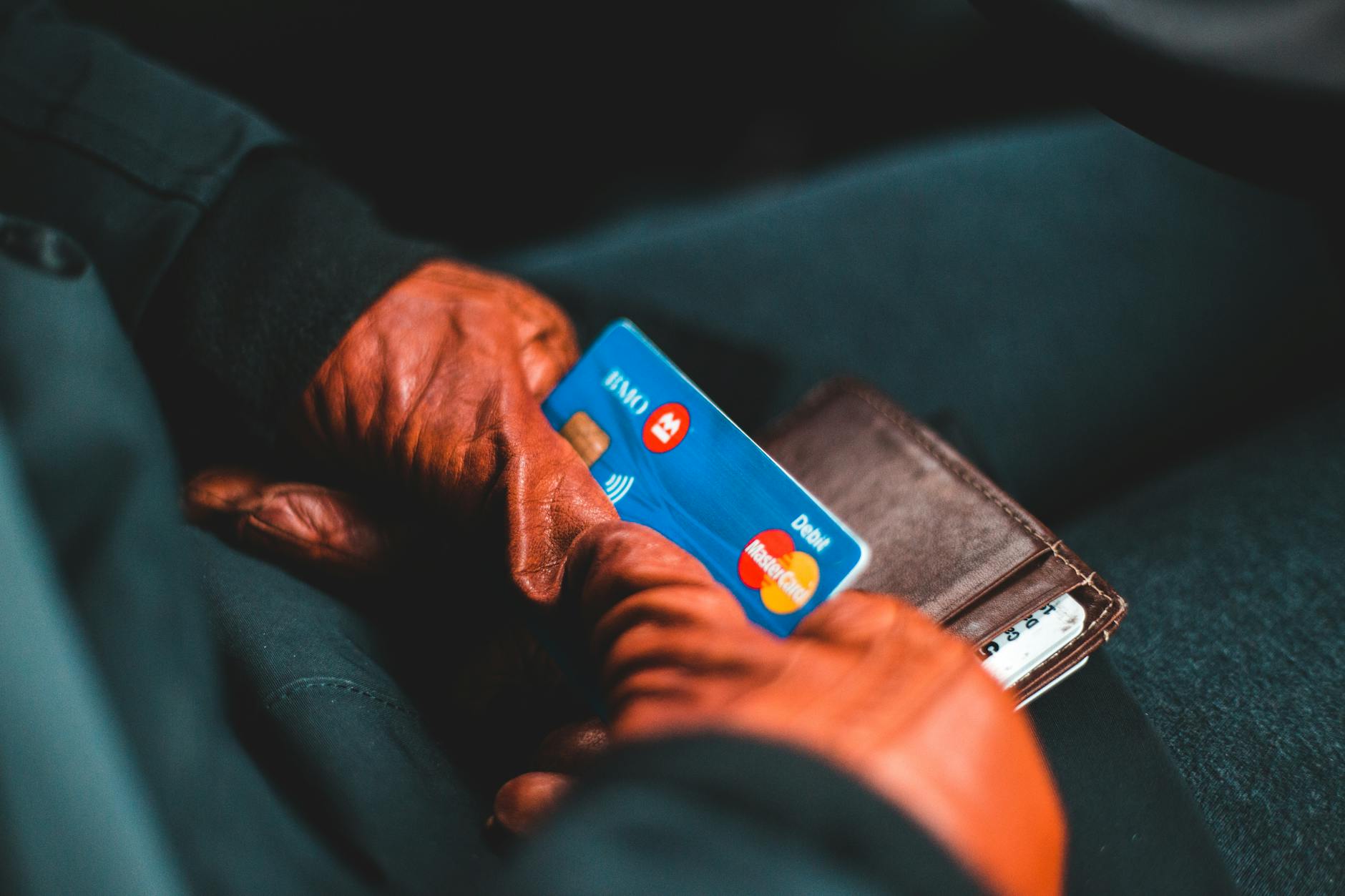
payment card information—including card numbers, expiration dates, and CVV codes—is the most immediately monetizable data, though many modern services only store partial card data or tokenized references. A 2024 breach of a fitness app subscription platform exposed names, email addresses, phone numbers, and billing addresses for 1.2 million users, along with partial payment card data. While the service had implemented tokenization to avoid storing full card numbers, enough information remained for attackers to attempt account takeovers and launch targeted phishing campaigns. The breach also exposed subscription cancellation dates and renewal information, allowing attackers to understand customer behavior patterns and target high-value accounts with premium subscriptions.
How Subscription Breaches Reveal Financial Behavior and Vulnerability
Beyond obvious identifiers, subscription breaches expose financial vulnerabilities and behavioral patterns that make victims easier to exploit. Billing history reveals what services customers use, their spending levels, and their interests—information that can be weaponized in targeted fraud schemes. A customer’s subscription choices can indicate income level, health conditions, lifestyle preferences, and even relationship status.
When this behavioral data is combined with contact information, it becomes a targeting tool for criminals. A limitation of current breach reporting is that many companies downplay the behavioral data exposure and focus only on “personal and payment information.” However, the patterns revealed in subscription records can be equally damaging. For example, a breach of a mental health app subscription service exposed not just contact information but also the fact that customers had active subscriptions, which created a specific targeting opportunity for criminals running extortion and harassment campaigns. Attackers would contact victims with the knowledge that they were subscribers to sensitive services, increasing the psychological pressure and likelihood of compliance with fraudulent demands.
Compromised Credentials and Password Exposure in Subscription Systems
When subscription services store passwords—even when hashed—breaches can lead to large-scale credential compromise. If passwords are stored using weak hashing algorithms like MD5 or SHA-1 without salt, attackers can crack millions of passwords through dictionary attacks or rainbow tables. Even if hashing is properly implemented with bcrypt or Argon2, leaked credentials still enable account takeovers if users reuse passwords across multiple services. This is why a single subscription breach can cascade into compromises across dozens of other accounts.
The 2021 breach of a video subscription service exposed over 120 million user accounts, including usernames, email addresses, and hashed passwords. Within days, security researchers confirmed that a significant percentage of the hashed passwords had been cracked through offline brute-force attacks. This allowed attackers to log into affected accounts and change passwords, locking out legitimate users while maintaining persistent access. The warning here is clear: the security of your other accounts is only as strong as the weakest password you’ve used, making the credential exposure from subscription breaches a systemic risk across all your digital accounts.
Data Linking and Profile Construction from Multiple Breaches
Individual subscription breaches become more dangerous when attackers combine exposed data from multiple sources. An email address and phone number from one breach, combined with a name and address from another, creates a complete identity profile. Fraudsters purchase breach databases on dark web marketplaces and use data-linking techniques to construct detailed profiles of individuals, which they then sell or exploit for large-scale fraud campaigns. The tradeoff in modern subscription services is between convenience and data collection.
Services that minimize data collection—requiring only an email and payment method—expose less information when breached. Services that require full profiles, billing addresses, phone numbers, and personal details create more comprehensive targets. However, the minimal-data approach isn’t always available, as legitimate business needs like shipping, billing verification, and customer support require substantial personal information. When a subscription breach occurs, victims have no control over what was already collected and stored.
Unencrypted Data and Legacy Security Failures
Many subscription breaches occur not because of sophisticated attacks but because companies store sensitive data in plaintext or with inadequate encryption. Unencrypted data is instantly usable to attackers; encrypted data requires additional cracking efforts, which is why the encryption status of breached data is a critical factor in the severity of the compromise. A warning for consumers: not all companies disclose whether exposed data was encrypted, and breach notification laws sometimes allow vague language that obscures the actual security posture.
A 2023 incident involving a subscription box service revealed that while payment cards were encrypted, personal identification information—including Social Security numbers for users who had set up recurring billing—was stored in plaintext databases. This legacy architecture meant that attackers accessed complete, usable identity information without any cryptographic barriers. The limitation here is that consumers have no visibility into how companies store their data and no practical way to assess the security architecture before a breach occurs.

Third-Party Data and Hidden Exposure
Subscription services often share data with third parties for billing, analytics, marketing, and delivery purposes. When a subscription service is breached, the exposure isn’t limited to the primary company’s systems. Data may have been shared with payment processors, affiliate networks, advertising partners, and shipping companies, each representing an additional breach surface.
A customer’s data might be exposed through the subscription company, the billing provider, and the shipping partner—three separate incidents from a single subscription purchase. The 2022 breach of a software subscription platform exposed not just customer data from the main service but also information shared with third-party integrations that users had authorized. Customers who had connected their subscription accounts to accounting software, CRM systems, or marketing platforms found their data exposed across multiple companies. This cascading effect means that the real scope of exposure from a subscription breach is often larger than initially reported.
Subscription Cancellation and Account Takeover as Secondary Breaches
After a subscription breach, attackers often use the exposed credentials to take over accounts, change passwords, and cancel subscriptions—creating a secondary damage layer beyond data theft. Account takeovers result in billing disputes, service interruptions, and additional identity theft as attackers use the account to make unauthorized purchases or changes. The trend toward subscription everything (software, streaming, fitness, news) means that a single compromised account can disrupt multiple aspects of a person’s digital life.
Looking forward, the expansion of subscription services across industries means more personal data flows into company databases that may or may not have enterprise-grade security. The shift toward subscription models has made individual breach incidents more damaging because each company holds multi-dimensional data about customers. This trend suggests that subscription breaches will remain a critical cybersecurity issue, and individuals need to approach subscription services with the understanding that their data is at risk.
Frequently Asked Questions
If my subscription service was breached, is my credit card number definitely stolen?
Not necessarily. Many modern services use payment tokenization or only store partial card information, but the breach notification should specify whether payment data was exposed and whether it was encrypted. If the breach includes payment card information, contact your card issuer and monitor your account for fraudulent charges.
Can a subscription breach compromise my other online accounts?
Yes, if you reused your password across multiple services. This is why a subscription breach is particularly dangerous—one compromised password can unlock accounts across email, banking, social media, and other platforms. Use unique, complex passwords for each service and enable multi-factor authentication.
How long should I monitor my credit after a subscription breach?
Credit bureaus recommend monitoring for at least one year, though identity theft can occur years after a breach. Free credit monitoring services are often offered by breached companies; consider also placing a fraud alert or credit freeze with the three major credit bureaus (Equifax, Experian, TransUnion).
What’s the difference between encrypted and unencrypted data in a breach?
Unencrypted data is immediately usable for fraud. Encrypted data requires attackers to have the decryption key or to spend time cracking the encryption, which creates some protection. The breach notification should disclose whether exposed data was encrypted; if it doesn’t mention encryption, assume data was exposed in plaintext.
Should I cancel my subscription with a company that was breached?
Canceling the subscription won’t help since your data is already exposed, but you might choose to leave based on the company’s security practices and breach response. Change your password immediately and monitor the account for unauthorized activity or charges.
What information from my subscription is most valuable to criminals?
Payment card information and full personal identification data (name, address, phone, SSN) are immediately monetizable. However, email addresses and usernames are equally dangerous because they enable account takeovers and social engineering. Even your subscription choices can be used to profile and target you for specific fraud schemes.
You Might Also Like
- What Information Do Retail POS Breaches Expose
- What Information Do Communication Breaches Expose
- What Information Do Business Breaches Typically Expose